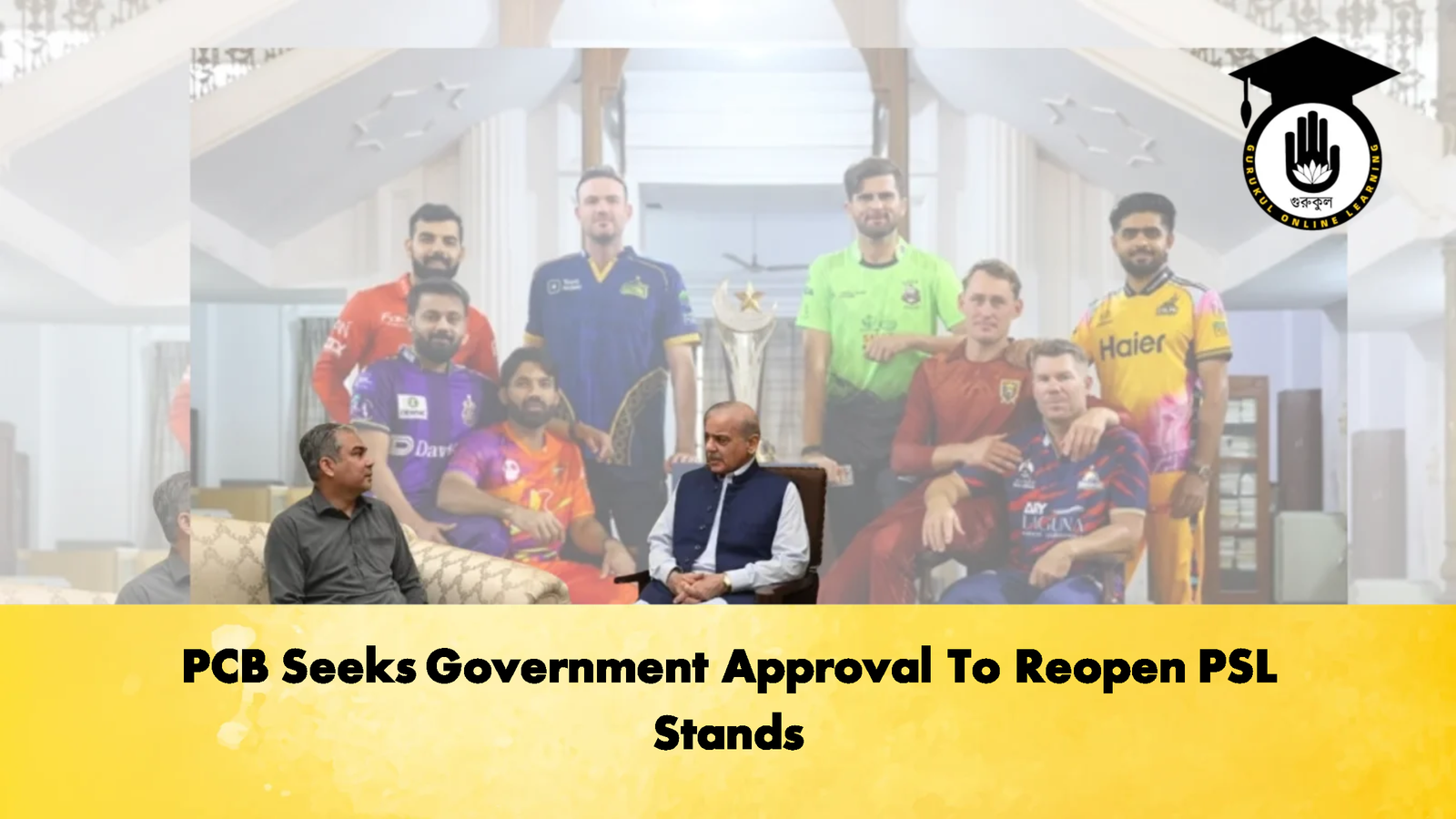
The chairman of the Pakistan Cricket Board, Mohsin Naqvi, is preparing to hold fresh talks with Shehbaz Sharif in a renewed effort to secure permission for spectators to return to stadiums during the ongoing Pakistan Super League (PSL).
Speaking to media representatives in Karachi, Naqvi acknowledged that empty or sparsely populated stands have significantly diminished both the atmosphere and the commercial value of the tournament, widely regarded as Pakistan’s premier domestic cricket showcase.
Table of Contents
ToggleAusterity Measures Behind Closed Doors
The absence of crowds is rooted in wider government austerity policies introduced to manage an ongoing energy crisis and broader global uncertainty. These pressures have been compounded by geopolitical tensions linked to the Iran–Israel–United States conflict, which have disrupted fuel supply chains and intensified economic strain.
As part of these measures, authorities restricted public movement and centralised PSL fixtures in key urban centres such as Karachi and Lahore. While this approach has enabled the tournament to proceed without interruption, it has come at the cost of the vibrant fan engagement traditionally associated with the league.
Franchise Owners Demand Change
Naqvi’s decision to revisit discussions with the government follows sustained pressure from franchise owners, who argue that the absence of spectators undermines the PSL’s identity and long-term viability. They maintain that crowd حضور—fan presence—is fundamental to the competition, not only enhancing the live experience but also supporting sponsorship deals, broadcasting appeal, and overall brand value.
Franchise representatives have urged federal and provincial authorities to reconsider current restrictions and allow controlled spectator access, suggesting that carefully managed attendance could balance safety with commercial necessity.
Financial Support Measures Introduced
To offset financial losses arising from empty stands, the PCB has implemented compensation mechanisms for franchises. According to Naqvi, teams will receive payments equivalent to expected gate revenues, while the board will also absorb additional operational and logistical expenses.
PSL Operational Status Under Restrictions
| Category | Current Situation |
|---|---|
| Spectator Access | Restricted / Minimal |
| Host Cities | Karachi, Lahore |
| Policy Context | Energy conservation and austerity |
| Franchise Compensation | Gate revenue covered by PCB |
| Match Schedule | Unchanged |
Naqvi reaffirmed that the PSL schedule will remain intact, underscoring the board’s determination to deliver a successful tournament despite prevailing constraints.
Infrastructure Development on the Horizon
Looking beyond the immediate challenges, the PCB is also considering long-term improvements to enhance the spectator experience. Among the proposals is the redevelopment of the National Bank Cricket Arena, aimed at modernising facilities and elevating comfort standards.
Such upgrades form part of a broader strategy to strengthen the PSL’s global competitiveness and ensure its continued growth once full crowd attendance resumes.
Security Efforts Commended
Naqvi also praised Pakistan’s law enforcement agencies for their role in ensuring the smooth and secure conduct of the tournament under difficult circumstances. He noted that maintaining operational continuity amid economic pressures and geopolitical uncertainty has been a significant achievement.
Balancing National Priorities with Sporting Passion
The PCB now faces the complex task of balancing national economic priorities with the cultural and commercial importance of cricket in Pakistan. The PSL is more than a sporting competition; it is a major entertainment platform and a key contributor to the country’s sporting economy.
The outcome of Naqvi’s forthcoming discussions with Prime Minister Shehbaz Sharif is expected to be pivotal. A decision to ease restrictions could restore the electric stadium atmosphere that defines the PSL, while continued limitations may prolong financial strain and reduced fan engagement.
As the tournament progresses, stakeholders across the cricketing community will be watching closely, hopeful that a balanced and pragmatic solution can be reached—one that safeguards national interests while reviving the passion and excitement that make the PSL a cornerstone of Pakistan’s sporting calendar.