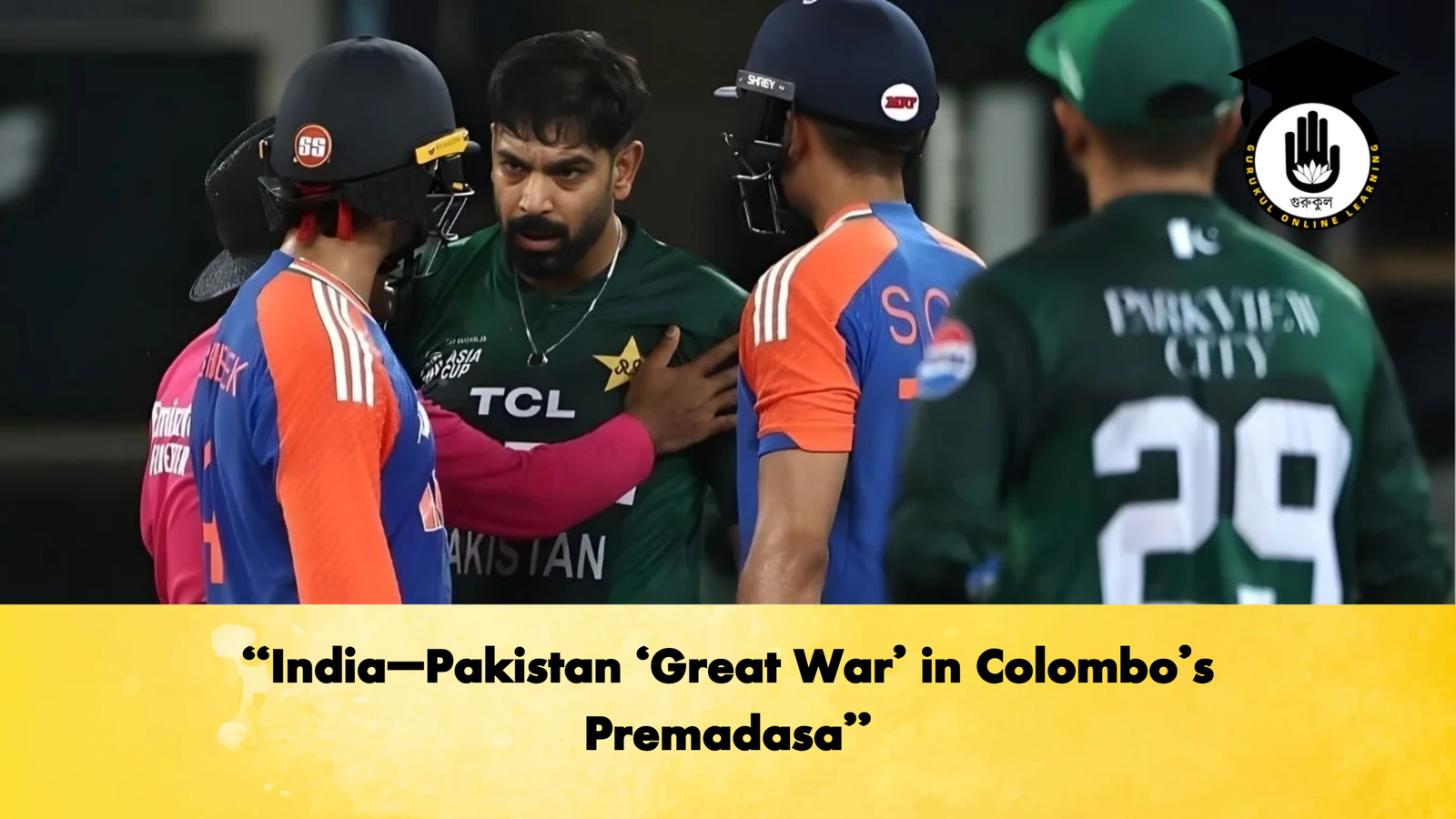
The India-Pakistan cricket rivalry, often described as a “mega-war” or “epic duel,” transcends mere sport. Its impact stretches far beyond the stadiums of Karachi, Kolkata, Mumbai, Multan, Lahore, or Lucknow. The tension reverberates across the Wagah border and flows like molten energy through the subcontinent, captivating the global cricketing community.
This is not just a match; it is a cultural and financial spectacle. The stakes are immense, both on and off the field. Reports from Indian media indicate that the cancellation of an India-Pakistan match could cost the cricketing world an estimated USD 174 million — roughly BDT 2,190 crore. The economic and symbolic value of the fixture underscores why its potential disruption sparks international concern.
The drama surrounding this particular match began long before the first ball was bowled. The crisis started when Mostafizur Rahman was barred from IPL participation in India, triggering security concerns over Bangladesh’s World Cup fixtures. The International Cricket Council (ICC) initially rejected Bangladesh’s request to change venues, prompting Bangladesh to withdraw from the tournament. In a show of solidarity, Pakistan announced it would boycott its match against India.
Ultimately, negotiations between the Bangladesh Cricket Board (BCB), the Pakistan Cricket Board (PCB), and the ICC in Lahore thawed the impasse. Pakistan agreed to play, restoring hope for one of cricket’s most anticipated clashes.
Weather Concerns in Colombo
Today, Colombo faces unpredictable weather. Meteorologists forecast a 50–65% chance of rain, with showers possible even before the match begins. According to T20 World Cup regulations, each team must bat a minimum of five overs for the match to be officially recognised.
To accommodate the risk of rain, the ICC has reserved an additional 60 minutes, allowing play to continue if brief interruptions occur. There is no reserve day for group-stage matches, meaning any delay beyond the allocated time could lead to a shared result. Should the match be abandoned, both India and Pakistan will receive one point each, bringing their group totals to five points. This scenario ensures that both sides will advance to the Super Eight stage, as the remaining teams — the United States, Namibia, and the Netherlands — cannot mathematically reach five points.
Fortunately, the local weather forecast offers hope. Rain probability drops to just 10% after 9 PM local time, suggesting that fans may yet witness the thrilling India-Pakistan encounter in full.
Group Stage Standings and Impact
| Team | Matches Played | Points | Qualification Status |
|---|---|---|---|
| India | 3 | 5 | Super Eight ✅ |
| Pakistan | 3 | 5 | Super Eight ✅ |
| USA | 3 | 2 | Eliminated ❌ |
| Namibia | 3 | 2 | Eliminated ❌ |
| Netherlands | 3 | 1 | Eliminated ❌ |
This match, a true high-stakes spectacle, embodies the unique intensity of the India-Pakistan rivalry — where sport, geopolitics, and economics collide. Colombo holds its breath as cricket enthusiasts around the world hope for a drama-filled contest unmarred by weather.