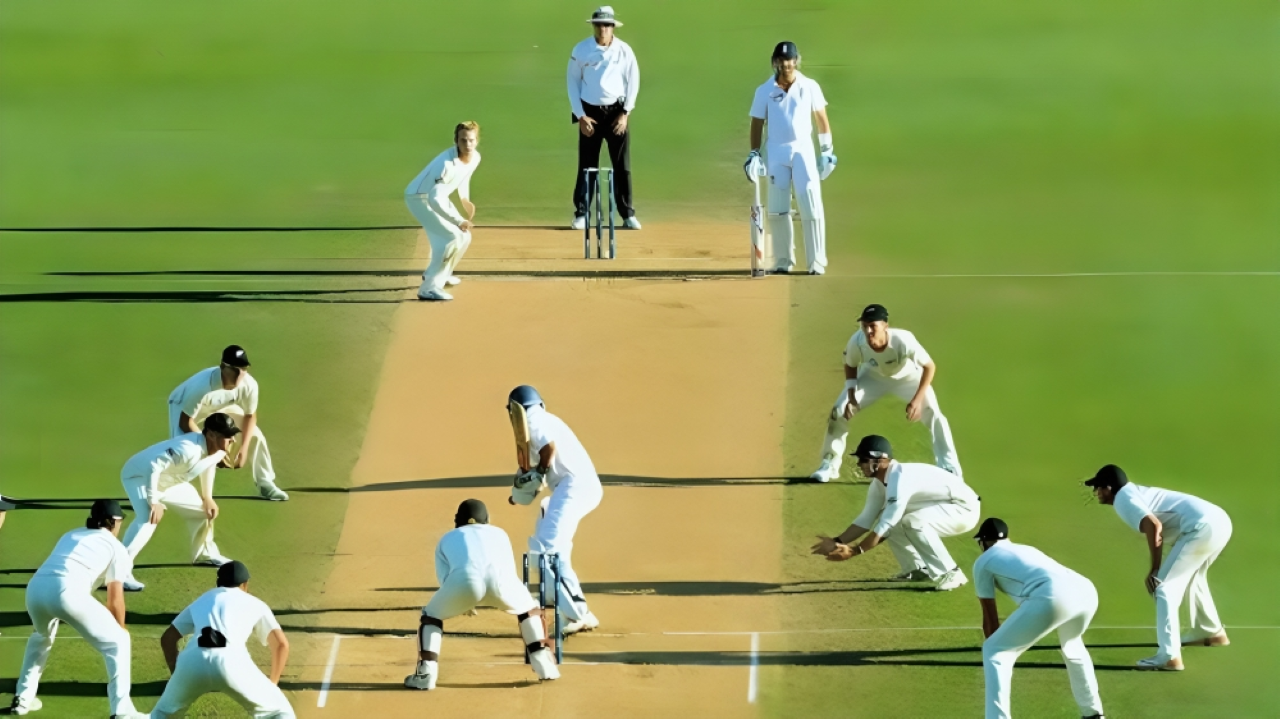
Cricket is often described as a game played on a 22-yard pitch but decided largely in the mind. While technique, fitness, and strategy form the tangible components of the sport, the psychological dimension determines how effectively these aspects come together under pressure. The finest players in the world—across eras—have consistently demonstrated not only superior skill but also exceptional mental clarity, emotional control, and resilience. Understanding the psychology behind great cricket performances is therefore essential for players, coaches, and even spectators who wish to grasp the deeper essence of the game. Mastering the mind is not a luxury reserved for elite athletes; it is a necessity for anyone seeking success in cricket at any level.
One of the defining mental attributes in cricket is focused concentration. A batsman may face hundreds of deliveries in a long innings, yet each ball must be treated as a fresh event requiring full attention. Bowlers, too, must repeat complex motor patterns with precision, often against high-quality opposition, and fielders must remain alert for hours on end. Concentration in cricket is therefore not merely the ability to pay attention; it is the ability to sustain attention for long durations, rapidly refocus after setbacks, and avoid the mental drift that leads to lapses in judgement. Sports psychologists often refer to this as “attentional control”—the capacity to direct mental energy toward what matters and filter out distractions. Great players achieve this through consistent routines, controlled breathing, and a deep awareness of their mental state. Their minds rarely wander to previous mistakes or future possibilities; instead, they remain grounded in the present moment.
Closely linked to concentration is mental resilience, a quality that separates the average performer from the extraordinary. Cricket is a sport filled with failure. Batsmen get out after hours of preparation, bowlers see edges fly through gaps, and fielders drop catches that change the course of matches. What defines great players is not the absence of mistakes but their response to adversity. Resilient cricketers bounce back quickly, using setbacks as fuel rather than obstacles. They possess a strong internal belief in their ability to recover, coupled with a rational understanding that failure is part of the game’s psychological structure. The careers of legends such as Rahul Dravid, Jacques Kallis, and Steve Waugh demonstrate how resilience becomes the backbone of consistency. Each of these players endured prolonged periods of scrutiny and pressure, yet emerged stronger because of their mental endurance. In cricket, resilience is not merely a mental skill—it is a survival mechanism.
Another crucial dimension of cricket psychology lies in emotional regulation, the ability to control emotions during high-stakes moments. Cricket is filled with emotional triggers: missed chances, sledging, crowd pressure, umpiring decisions, and the natural tension of competition. If emotions run unchecked, decision-making becomes clouded. Emotional control does not imply suppressing feelings but managing them in constructive ways. A fast bowler channeling aggression into speed and accuracy demonstrates healthy emotional regulation. A batsman resisting the temptation to play an unnecessary attacking shot after a disagreement with a fielder demonstrates control over impulse. Players who master their emotional responses can maintain composure under pressure, allowing their technical and tactical skills to shine even in the tensest moments.
Confidence, too, plays a decisive role in cricket performance. It is one thing to possess skill, and another to believe in that skill when it matters most. Confidence provides players with the courage to take calculated risks, commit fully to their shots, and trust their technique even during rough patches. Importantly, confidence in cricket is fluid: it can rise with good form and fade with poor performances. Great players build stable confidence, a type that does not swing wildly with results but remains anchored in preparation, self-awareness, and experience. Coaches often work explicitly on confidence-building strategies such as affirmations, positive self-talk, mental rehearsal, and focusing on controllable factors rather than outcomes. When a bowler believes they can take a wicket or a batsman believes they can weather a spell of swing bowling, that belief itself influences performance outcomes.
Mental imagery or visualisation is another psychological tool widely used in cricket. Players mentally rehearse scenarios—facing a specific bowler, executing a particular shot, delivering a yorker under pressure, or taking a difficult catch. Visualisation enhances neural connections similar to physical practice, preparing the mind to act confidently and automatically in real situations. Elite cricketers often visualise their innings before walking out to bat, imagining conditions, bowlers, movement, and shot selection. Visualisation is particularly effective because it bridges the gap between intention and execution, reducing uncertainty and instilling calmness. When combined with physical training, mental imagery becomes a powerful mechanism for peak performance.
Tactical intelligence, or cricketing “game sense,” is another psychological factor that sets world-class performers apart. Cricket is rich with strategic complexity: reading pitch conditions, analysing the opposition, adapting plans mid-over, and making decisions under severe time pressure. Tactical intelligence involves recognising patterns, predicting opponents’ behaviour, and manipulating game situations to one’s advantage. A batsman who senses when a bowler is tiring, a bowler who notices subtle weaknesses in footwork, or a captain who anticipates a batting collapse is utilising advanced cricket intellect. While technical coaching develops skills, mental training develops the strategic mind that uses those skills effectively. Great cricket performances often emerge not from brute strength or speed but from superior mental strategy.
Self-awareness also forms the core of psychological mastery in cricket. Players must understand their strengths, weaknesses, temperament, and mental triggers. Self-aware cricketers can diagnose when their mind is drifting, when anxiety is rising, or when they need to reset their focus. They understand what routines work for them, what motivates them, and what derails them. Self-awareness fosters consistency because it equips players with the tools to manage themselves throughout long tournaments and demanding series. Without this quality, even the most talented athletes struggle to sustain performance levels.
Another psychological challenge unique to cricket is the duration of the game. Unlike many sports, cricket can last hours, days, or even weeks across formats. The mental fatigue of long fielding sessions, extended batting innings, or repeated spells of bowling requires exceptional endurance. Mental stamina is cultivated through deliberate training: mindful breathing, meditation, structured routines, rest, and disciplined lifestyle choices. Players who neglect mental recovery often suffer performance dips despite being technically gifted. Long-format cricket, especially Test cricket, is perhaps the ultimate examination of a player’s psychological strength.
Pressure management is an area where cricket psychology becomes most visible. The weight of expectation—crowds, country, franchise, media, and personal ambition—can overwhelm even skilled athletes. Great performers thrive under pressure because they learn how to reinterpret it. Instead of viewing pressure as a threat, they view it as an opportunity to rise. This shift in mindset changes physiological responses, improves clarity, and enhances performance. Players like Virat Kohli, Ben Stokes, and Ricky Ponting built their reputations on excelling in pressure situations, demonstrating that pressure, when understood and channelled correctly, can create champions.
Interpersonal relationships also shape mental performance. Cricket is a team sport, and each individual’s psychology interacts with the broader team environment. Conflicts, misunderstandings, communication gaps, or unhealthy competition can damage morale and performance. Conversely, a supportive team culture enhances confidence, reduces stress, and allows players to perform freely. Coaches, captains, and senior players play crucial roles in creating an environment where individuals feel valued and empowered. When mental safety exists within a team, creativity and excellence naturally follow.
Finally, the psychology behind great cricket performances is an evolving discipline. Modern cricket organisations increasingly employ sports psychologists, mental conditioning coaches, and data analysts to help players sharpen their minds. Mental training is now considered as important as technical and physical training. From mindfulness workshops to decision-making simulations, players are equipped with comprehensive mental tools suited for the demands of modern cricket. As formats evolve and competition intensifies, the importance of psychological mastery will only continue to grow.
In conclusion, mastering the mind is not an abstract concept but a practical foundation of success in cricket. From concentration and resilience to emotional control, confidence, visualisation, tactical intelligence, and mental endurance, the psychological dimension influences every action on the field. Great cricket performances emerge when skill meets a strong, disciplined, and prepared mind. Understanding and developing the mental side of cricket not only improves performance but deepens one’s appreciation for the beauty and complexity of the game. In cricket, the body may execute the action, but the mind decides the outcome.