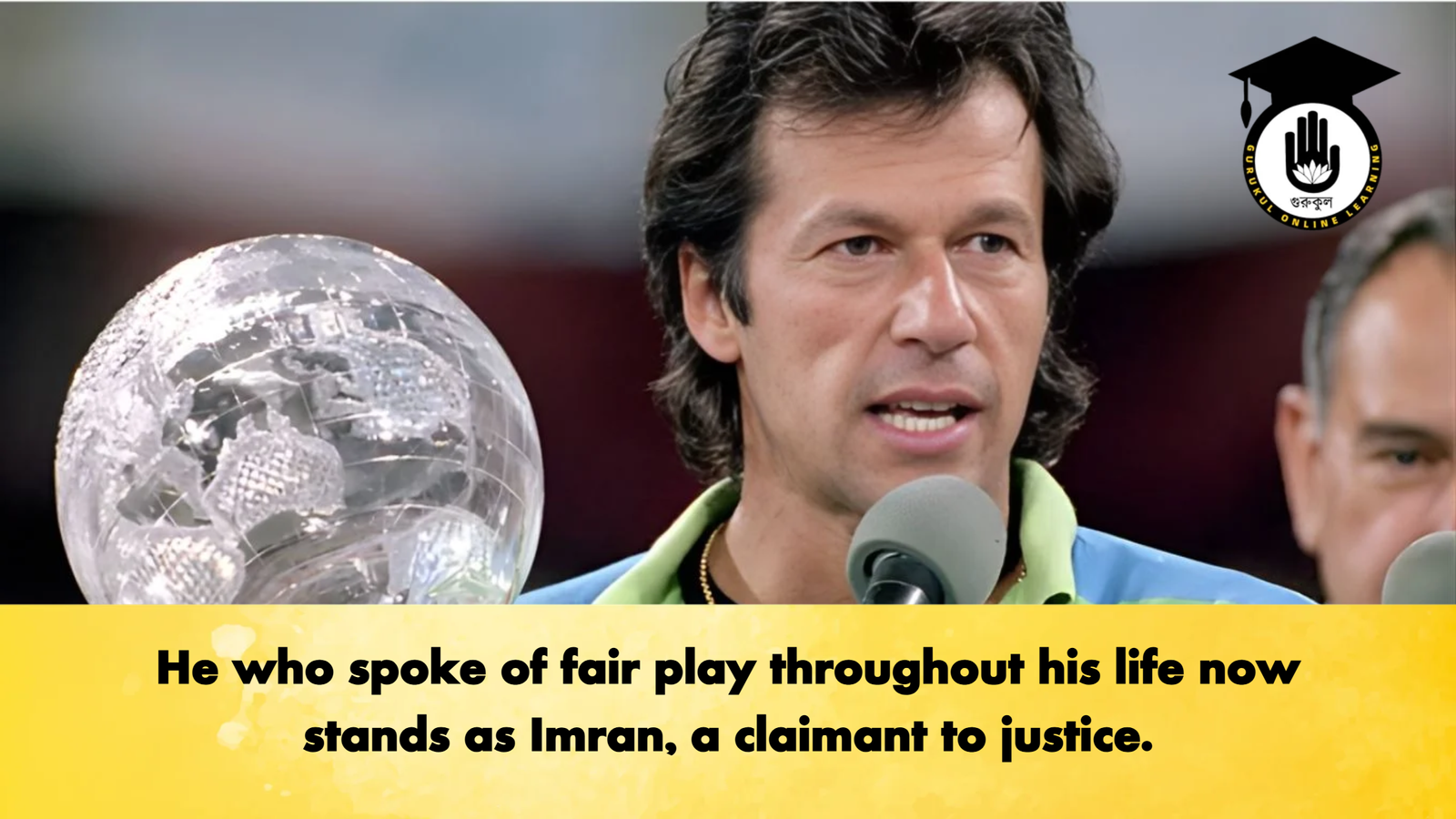
Concerns over the health of imprisoned Pakistani cricket legend and former Prime Minister **** have intensified, resonating far beyond Pakistan’s borders into the global cricketing community. In a remarkable display of solidarity, fourteen former international captains recently addressed a letter directly to Pakistan’s Prime Minister ****, urging that Imran be granted “minimum human dignity and access to proper medical care.”
The letter, drafted by former Australian captain ****, carries signatures from a constellation of cricketing icons:
| Name | Country | Role |
|---|---|---|
| Ian Chappell | Australia | Former Captain |
| Sunil Gavaskar | India | Former Captain |
| Mike Brearley | England | Former Captain |
| Clive Lloyd | West Indies | Former Captain |
| Greg Chappell | Australia | Former Captain |
| Kapil Dev | India | Former Captain |
| Allan Border | Australia | Former Captain |
| David Gower | England | Former Captain |
| Michael Atherton | England | Former Captain |
| Nasser Hussain | England | Former Captain |
| Steve Waugh | Australia | Former Captain |
| John Wright | New Zealand | Former Captain |
| Kim Hughes | Australia | Former Captain |
| Belinda Clark | Australia | Former Captain (Women’s cricket) |
In a heartfelt column for Cricinfo, Greg Chappell explained his motivation, drawing an evocative parallel to lighthouse keepers:
“On stormy nights, a lighthouse keeper does more than watch the waves; they shine a light for weary travellers. It is this responsibility across generations that compelled me to act.”
Chappell recounted decades of friendship and rivalry with Imran, noting the former captain’s extraordinary leadership both on the field and later in politics. He highlighted Imran’s historic 1992 World Cup triumph, not merely as personal glory, but as an inspiration for millions, sowing the seeds of hope and courage in ordinary citizens.
Yet today, Chappell writes, Imran faces conditions akin to those endured by death-row inmates. Since 2023, he has been imprisoned, confronting 186 legal cases. Reports indicate severe health deterioration, including near loss of sight in his right eye, compounded by solitary confinement—conditions deemed comparable to torture by human rights observers.
Chappell emphasises that this unified appeal is not political but moral, grounded in the principles of fair play learned from cricket:
“We ask the government to provide expert medical care, allow family visits, and ensure transparency in legal proceedings. These are not revolutionary demands but basic rights owed to any human being.”
The international plea has stirred global attention, challenging indifference and reminding the world of Imran Khan’s enduring legacy—not just as a cricketer and leader, but as a symbol of courage and resilience.
Chappell concludes:
“Imran has sung the anthem of fair play all his life; today, he is owed that very right. Even in the darkness of a solitary cell, our collective voice will reach him.”
This appeal demonstrates how cricket continues to serve as a bridge across nations, uniting former rivals to defend a shared commitment to humanity and justice.