With just two days remaining before the ICC Cricket World Cup, the political and sporting tensions surrounding the India–Pakistan match continue to simmer. The controversy initially erupted after Bangladesh protested being removed from their scheduled match against India and the exclusion of pacer Mustafizur Rahman from the IPL. Following Bangladesh’s subsequent disqualification from the tournament—a decision that saw Scotland take their place—the situation escalated further when Pakistan announced it would boycott its group-stage clash against India.
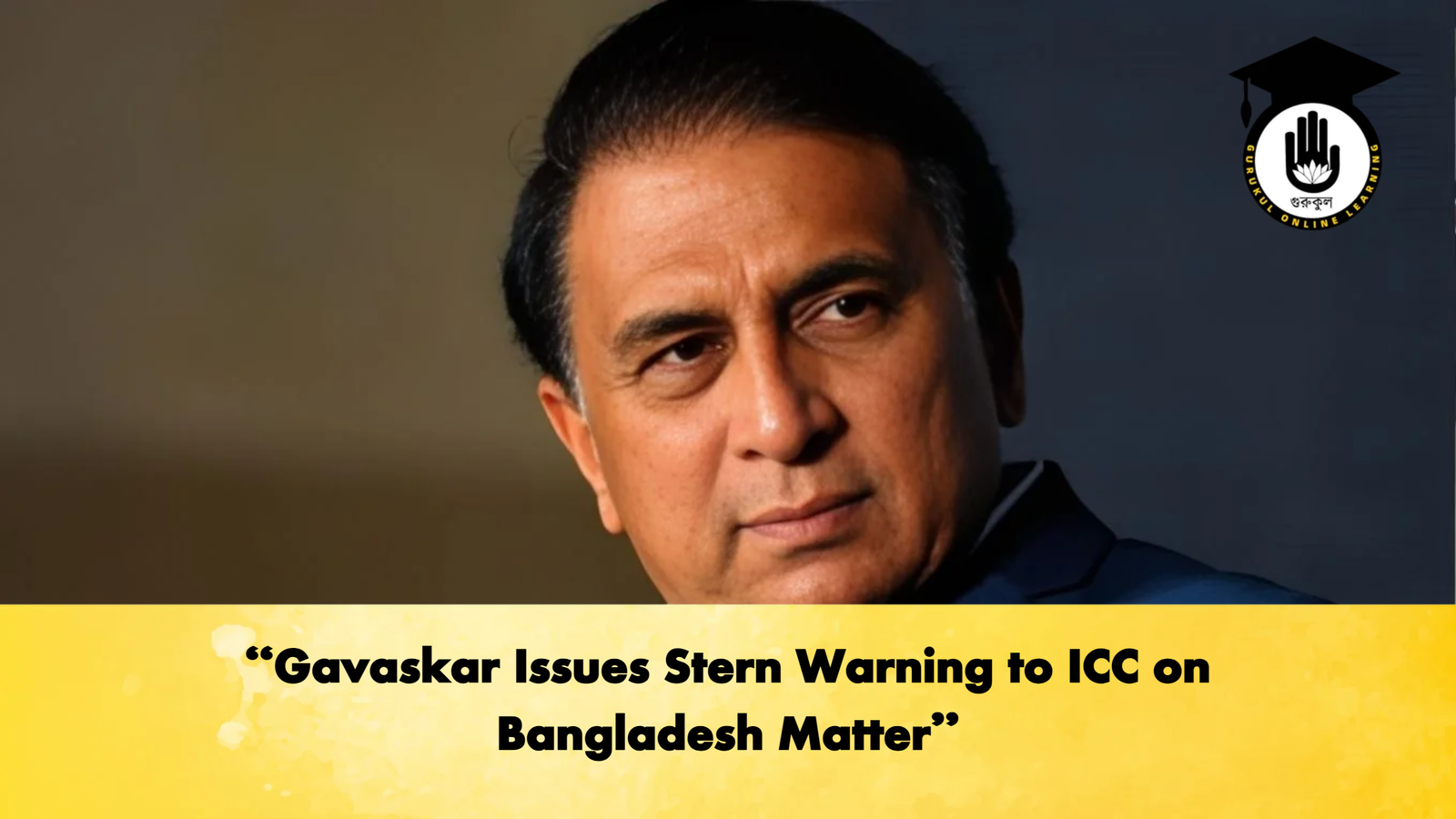
International cricket legend Sunil Gavaskar has now issued a caution to the International Cricket Council (ICC), urging the governing body to take preventive measures for future tournaments.
The cricketing rivalry between India and Pakistan has deep historical roots. For decades, political tensions did not directly affect bilateral cricket, but the situation began to shift around a decade ago. During the 2012–13 season, Pakistan toured India to play two T20 Internationals and three One-Day Internationals. Since that series, bilateral tours between the two nations have been suspended, and encounters are limited to ICC and Asian Cricket Council events.
Matches between India and Pakistan are commercially lucrative and attract massive audiences, prompting the ICC to consistently attempt placing both teams in the same group during tournaments. However, following Bangladesh’s removal from the World Cup and Mustafizur Rahman’s IPL exclusion, Pakistan perceived the ICC’s decision as inconsistent and potentially biased.
Despite rumours of a full World Cup boycott by Pakistan, the government eventually allowed the team to participate in the tournament, though they refused to play against India in the group stage. The controversy surrounding this decision has continued unabated.
In an interview with India Today, Gavaskar emphasised that the ICC must rethink its approach. He suggested that the governing body should avoid deliberately placing India and Pakistan in the same group and allow tournament draws to determine match-ups naturally. Gavaskar cited the 2007 World Cup, where India and Pakistan were kept in separate groups, preventing a clash until later stages—a precedent he believes should be considered moving forward.
Gavaskar also criticised Pakistan’s recent performances against India, noting that their playing style and results reveal structural weaknesses. He observed that India gains points even without facing Pakistan, and when they do meet Pakistan, the Indian team need not exert additional effort, citing India’s recent comfortable victories over their neighbours.
Key Controversial Incidents – World Cup 2026
| Incident | Date | Parties Involved | Outcome / Reaction |
|---|---|---|---|
| Mustafizur Rahman removed from IPL | Pre-World Cup | Bangladesh / IPL | Sparked initial protests |
| Bangladesh removed from World Cup | Pre-World Cup | Bangladesh / ICC | Scotland replaces Bangladesh |
| Pakistan threatens boycott | Pre-World Cup | Pakistan / ICC | Government intervenes, team allowed, but boycott India match |
| India-Pakistan match boycott | Group Stage | Pakistan | Pakistan refuses to play; ICC faces criticism |
Gavaskar’s warnings underline the urgent need for the ICC to separate political tensions from cricketing decisions, ensuring that future tournaments maintain integrity and minimise diplomatic fallout.