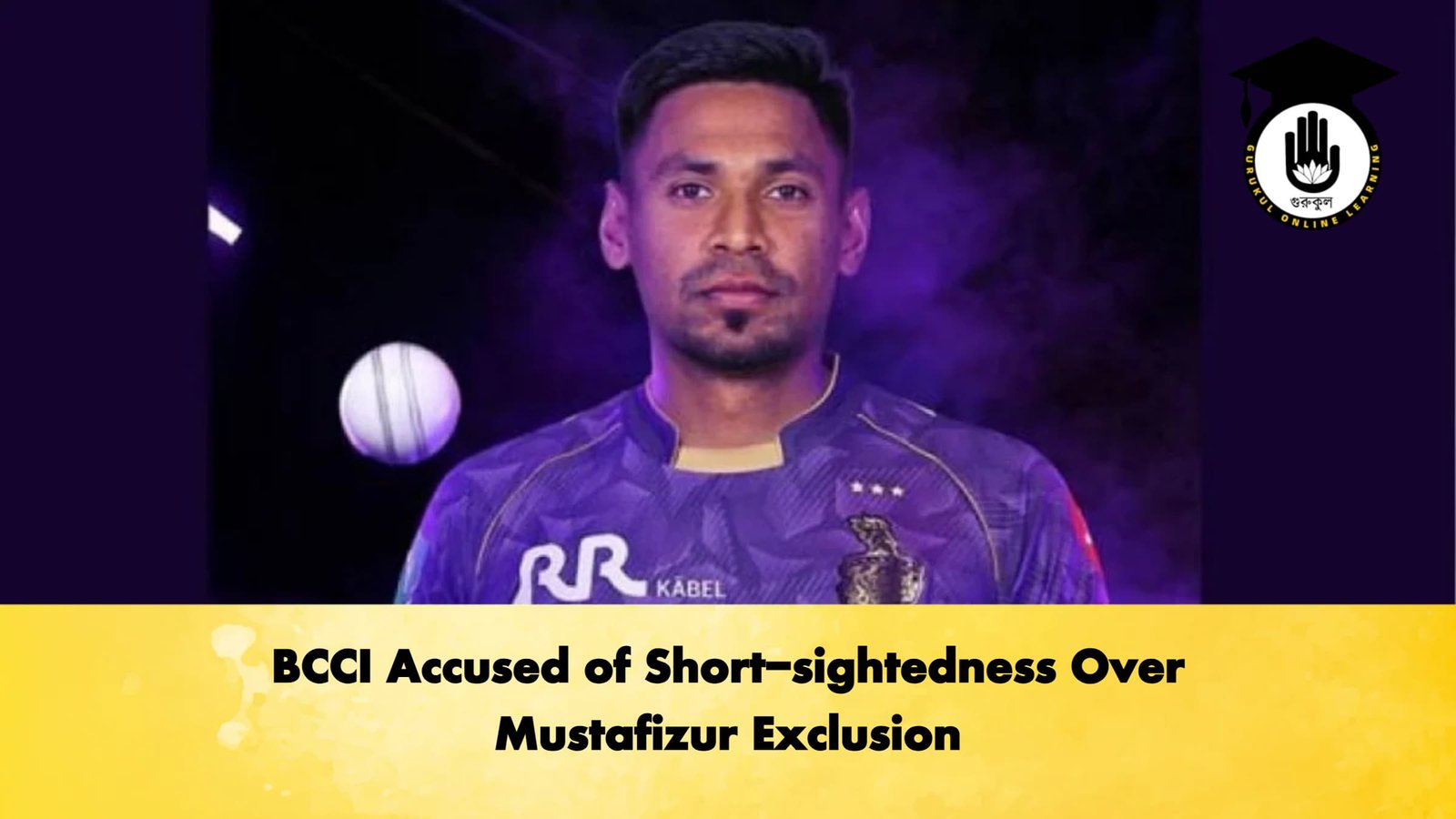
The cricketing world is currently grappling with the fallout of the Board of Control for Cricket in India (BCCI) and its controversial decision to exclude Bangladeshi pacer Mustafizur Rahman from the Indian Premier League (IPL). What began as a domestic selection issue has spiralled into a full-scale geopolitical crisis, threatening the financial stability of the upcoming T20 World Cup.
A Diplomatic and Sporting Impasse
The exclusion reportedly stems from threats issued by extremist groups in India, prompting the BCCI to remove the left-arm seamer from the tournament. In a remarkable show of solidarity, the Bangladesh Cricket Board (BCB) opted out of travelling to India for the T20 World Cup. This move was further bolstered by the Pakistan Cricket Board (PCB), which announced a boycott of their World Cup fixture against India to support the Bangladeshi stance.
Prominent Indian politician Shashi Tharoor was among the first to criticise the move, suggesting the BCCI’s handling of the “Mustafizur affair” was fundamentally flawed. Now, Sami-ul-Hasan Burney, the former Head of Communications at the ICC, has weighed in, describing the BCCI’s public handling of the matter as “short-sighted.”
The “Public Statement” Blunder
Speaking to the Press Trust of India (PTI), Burney argued that the current crisis could have been easily averted had the BCCI exercised professional discretion.
“There was no need for a public declaration. If the board felt compelled to remove him, they could have privately advised the franchise to sideline the player. By making a formal announcement on 3 January, they unnecessarily inflamed passions and triggered a domino effect of boycotts.”
Burney noted that such errors in judgement often carry long-term consequences, as evidenced by the current logistical nightmare facing the International Cricket Council (ICC).
Potential Financial Fallout for the ICC
The withdrawal of Bangladesh and the boycott by Pakistan have created a massive vacuum in the tournament’s projected revenue.
| Revenue Stream | Estimated Loss (INR) | Primary Driver |
| Broadcasting Rights | ₹3,500 Crore | Cancellation of high-viewership India-Pakistan clash. |
| Sponsorships | ₹1,500 Crore | Loss of Bangladeshi and regional market engagement. |
| Ticket Sales & Tourism | ₹1,000 Crore | Absence of travelling fans and local boycotts. |
| Total Estimated Impact | ₹6,000 Crore | A catastrophic shortfall for the ICC. |
A Crisis of Accountability
With exactly one month passing since the fateful announcement, the ICC is now forced to reconcile its balance sheets against a backdrop of empty stadiums and disgruntled sponsors. If the world’s most-watched cricket match—India vs Pakistan—does not go ahead, the governing body faces a deficit of approximately 6,000 crore rupees.
The situation serves as a stark reminder that in the modern era, the boundary between sport and politics is increasingly porous, and administrative transparency—or the lack thereof—can have multi-billion-dollar repercussions.