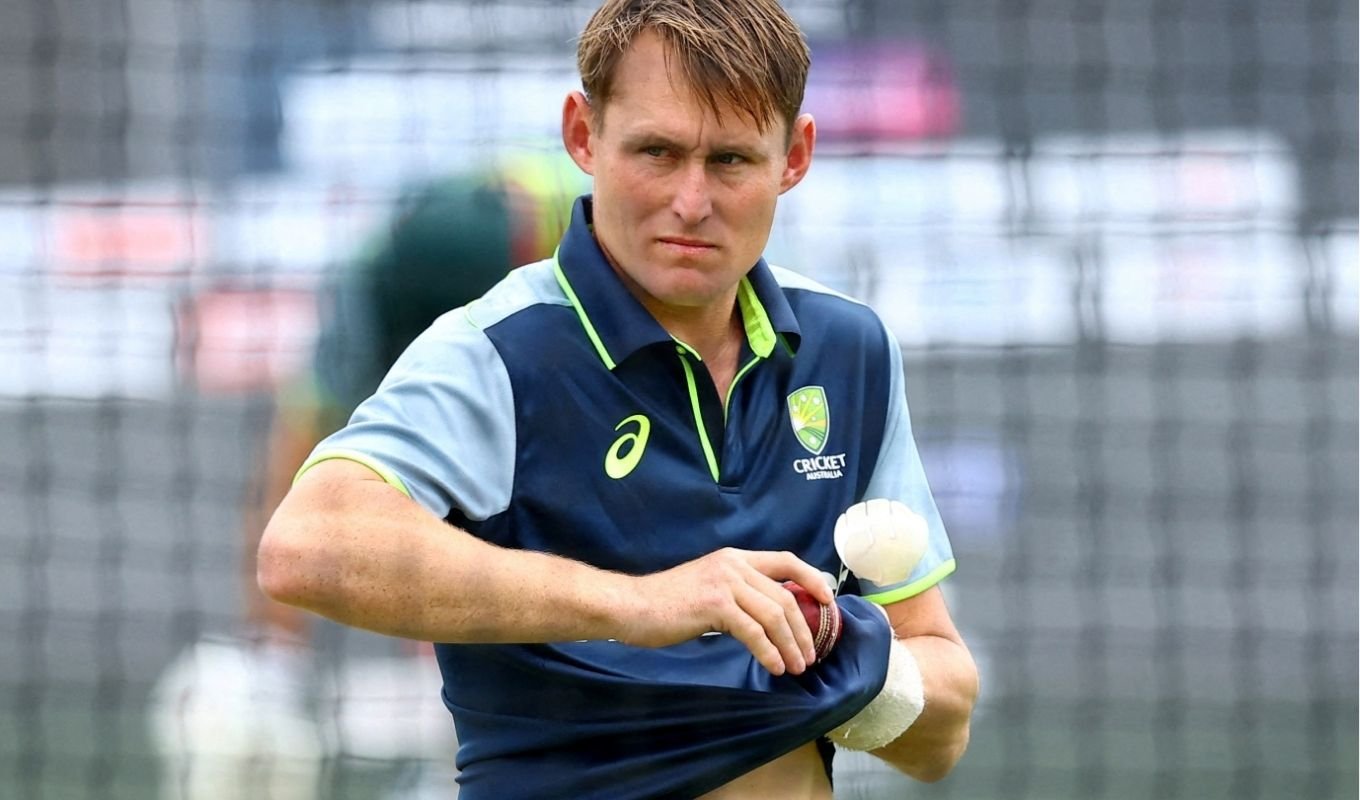
Marnus Labuschagne has suggested that Australia’s familiarity with day-night Tests gives them a notable advantage as the second Ashes Test approaches on Thursday. England, in contrast, are taking to the pink ball for the first time in almost three years, putting them at a relative disadvantage.
Australia has staged more day-night Tests than the rest of the cricketing world combined, alongside several Sheffield Shield matches under lights featuring the pink ball. Ben Oliver, head of national teams at Cricket Australia, emphasised that such fixtures are intended to prepare domestic players for international challenges and improve their adaptability under different conditions.
Labuschagne, who would normally favour a red ball due to familiarity, praised the team’s evolution with the pink ball. “Initially, there was resistance. Everyone wanted the red ball,” he said. “But Australia has learned how to exploit different phases of the game with it. That experience could prove decisive in this Test.”
He highlighted Mitchell Starc’s ability as a pink-ball specialist. “Starc’s pace, left-handed angle, and late swing combine to make him extremely difficult to face, particularly under lights,” Labuschagne explained.
With a batting average of 63.86 in day-night Tests, compared to 46.34 overall, Labuschagne stressed adaptability as vital. “The timing of sessions changes the conditions. You have to be ready to adjust your approach during lulls and periods of acceleration in the game. It creates opportunities if you can manage them effectively.”
Reflecting on his night-time partnership with Nathan McSweeney against India, he explained how seizing key moments can influence the outcome of a match. Labuschagne also defended batting orders, noting that while flexibility is important, finding ways to score runs remains the ultimate goal.