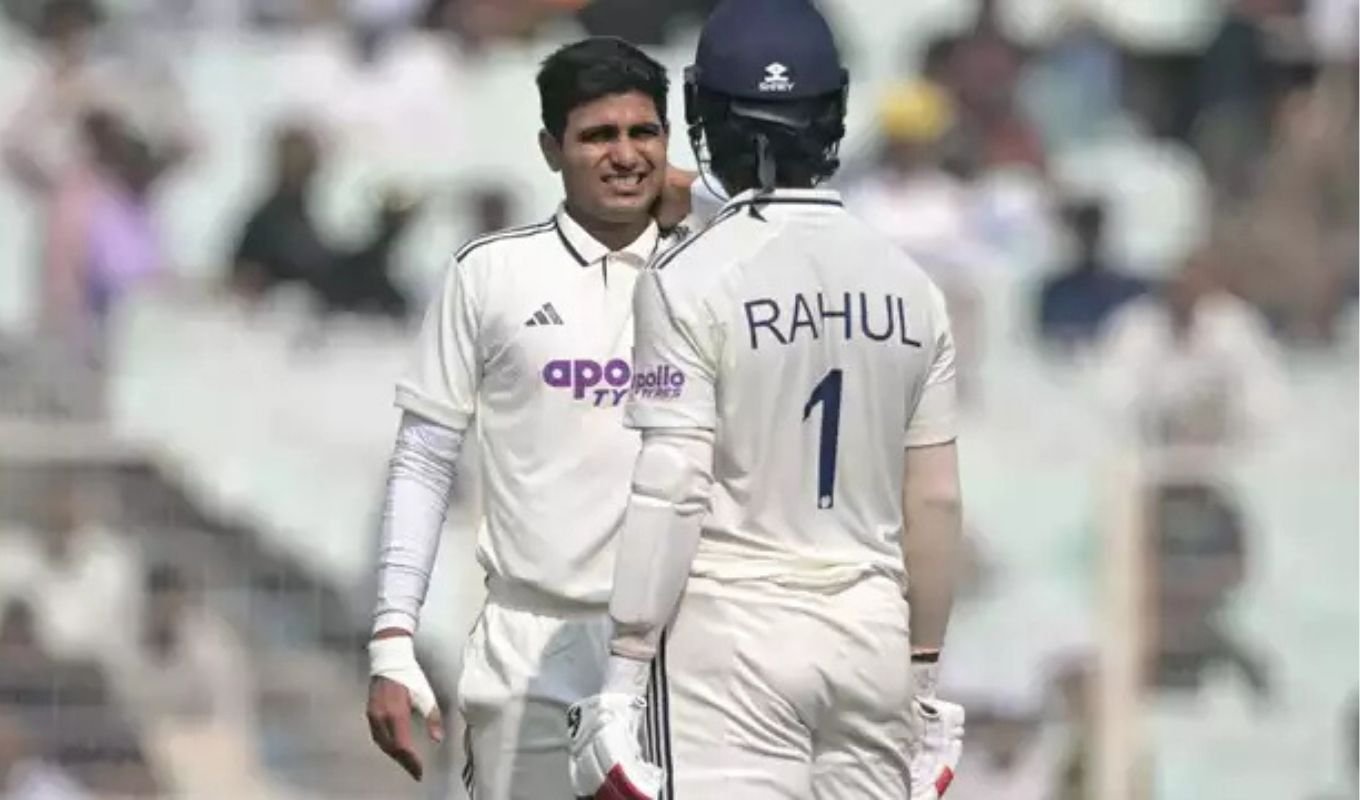
Day two of the Kolkata Test delivered a shock for Indian cricket fans as Shubman Gill, the team captain, was forced to retire hurt after suffering a neck injury. Gill’s arrival at the crease had promised stability for India’s innings, but within moments, what began as a routine batting appearance turned into a tense medical situation.
Facing South African off-spinner Simon Harmer, Gill managed to defend the first delivery safely. His second shot, a powerful slog sweep, initially seemed textbook, sending the ball swiftly to the boundary. However, almost immediately after completing the stroke, Gill appeared in distress, holding his neck and grimacing in pain.
The Indian physio promptly attended to him on the field. After a brief examination, it was clear that continuing to bat could worsen the injury, prompting Gill to retire hurt. Rishabh Pant replaced him, thrusting India into an unexpected reshuffle of their batting order.
Gill’s absence has significant tactical implications. The Indian captain was tasked with anchoring the innings and guiding a potentially fragile top order through a tricky South African attack. His sudden exit shifts that responsibility onto other senior batsmen, forcing the team to adjust on the fly.
Medical evaluations are ongoing, with the team awaiting updates on the severity of the neck strain. While Gill’s participation in the remainder of the match is uncertain, his early exit has already become one of the key talking points of the Test. The cricketing fraternity has reacted with concern, recognising the fine margins between playing through discomfort and risking a serious injury.
This incident underscores the unpredictable nature of Test cricket. One moment can be filled with promise, the next with frustration and worry. As India navigates the remainder of the session without their captain, all eyes are on Kolkata, hoping for a swift recovery for Shubman Gill.