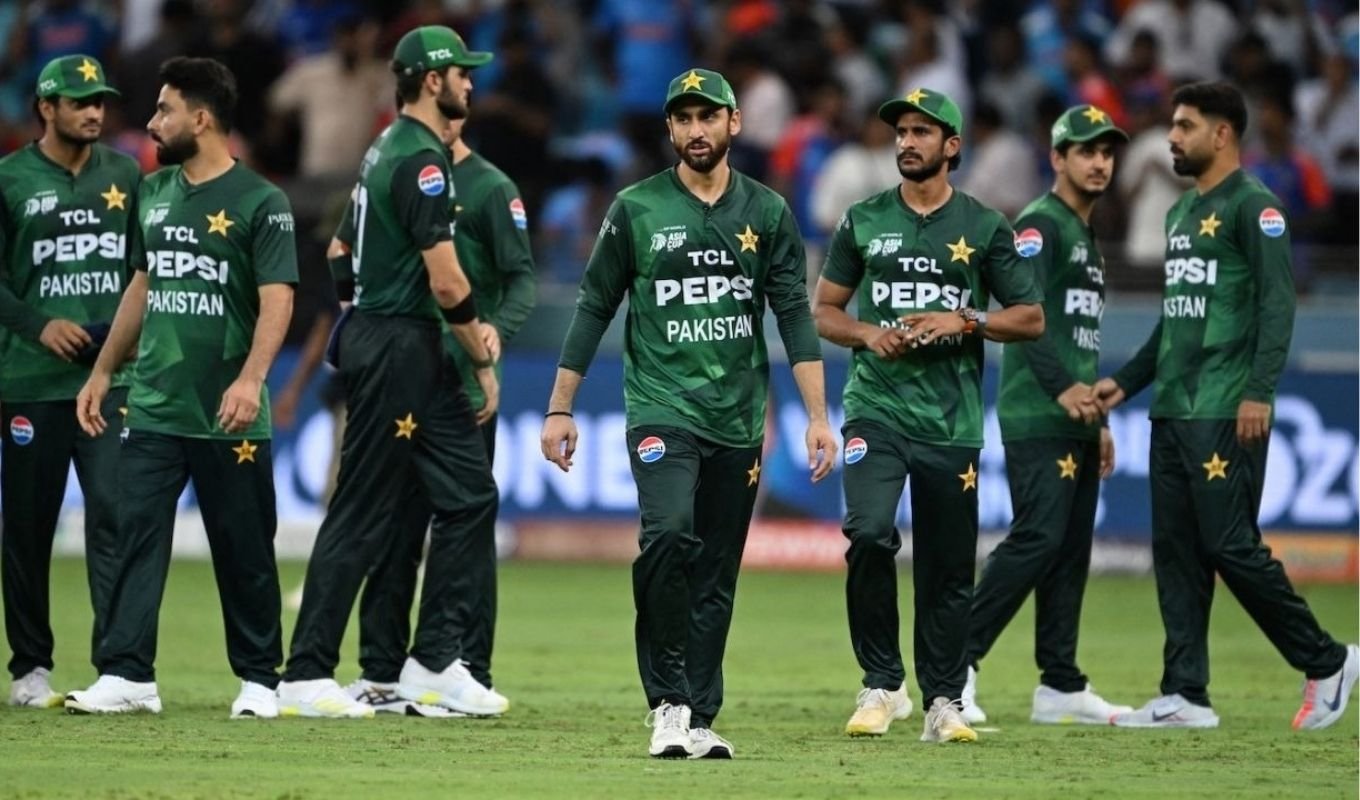
Rawalpindi Cricket Stadium is set to replace Lahore as the unexpected hub of Pakistan’s upcoming tri-nation ODI series, following urgent action taken by the Pakistan Cricket Board (PCB) after a deadly suicide attack shook the capital, Islamabad. The blast, which claimed 12 lives and left 27 others wounded, has forced officials to reassess logistical and operational plans surrounding the Pakistan–Sri Lanka series, as well as the forthcoming tournament featuring Zimbabwe.
Prior to the attack, Lahore was finalising preparations to host all five tri-series matches, including the final showdown. Local businesses, hotel owners, and cricket fans were gearing up for an economic boom and sporting celebration. Instead, the PCB’s emergency decision has turned Rawalpindi into a sudden beneficiary — a shift driven entirely by heightened security risks.
The relocation comes as Pakistan continues its battle to sustain international cricket on home soil. For over a decade, following the 2009 attack on the Sri Lankan national team bus in Lahore, the country was deprived of hosting major cricket events. In recent years, however, the PCB has rebuilt its reputation by reinforcing security measures and attracting visiting teams back to Pakistan. This sudden crisis threatens to disrupt that fragile progress, though PCB insists that moving the tournament shows its willingness to adapt, not surrender.
Though PCB initially issued a cautious postponement of the Pakistan–Sri Lanka ODIs, fresh discussions between the involved cricket boards intensified the urgency for a stronger decision. Reports suggested that several members of the Sri Lankan squad expressed uncertainty about continuing their tour. Sri Lanka Cricket (SLC) then intervened, declaring that the tour would proceed as planned, but also making it clear that any player trying to leave prematurely could face sanctions.
With three cricket boards needing to reach consensus, PCB sought a rapid solution, and Rawalpindi emerged as the most practical venue. The city is considered easier to secure and has frequently hosted military and government institutions, meaning heavy security infrastructure already exists. Hotels, training facilities, and transport routes can be cordoned off rapidly, which reduces operational pressure on both sporting and state agencies.
A PCB spokesperson highlighted that the move was strategic rather than reactionary, stating:
“These revisions ensure smooth scheduling and optimal player security. It reflects our commitment to protecting international sport in Pakistan.”
The tri-nation series will now open with Pakistan versus Zimbabwe on 18 November, followed by Pakistan facing Sri Lanka on 20 November, before concluding on 29 November with the final. Despite logistical disruption, ticket policies are expected to be adjusted to accommodate shifted venues, while broadcasters will continue with existing partnerships.
Although questions linger about whether international teams will continue to trust Pakistan’s hosting capabilities, some analysts argue that PCB’s transparency might strengthen confidence in the long run. Rather than denying the issue, Pakistan has acted decisively, acknowledging the risk and demonstrating a willingness to adapt quickly.
Whether the tri-series becomes a security success story or a cautionary tale for world cricket remains to be seen. For now, Rawalpindi has been thrust into the spotlight — and onto the front lines of Pakistan’s fight to keep the game alive on home soil.