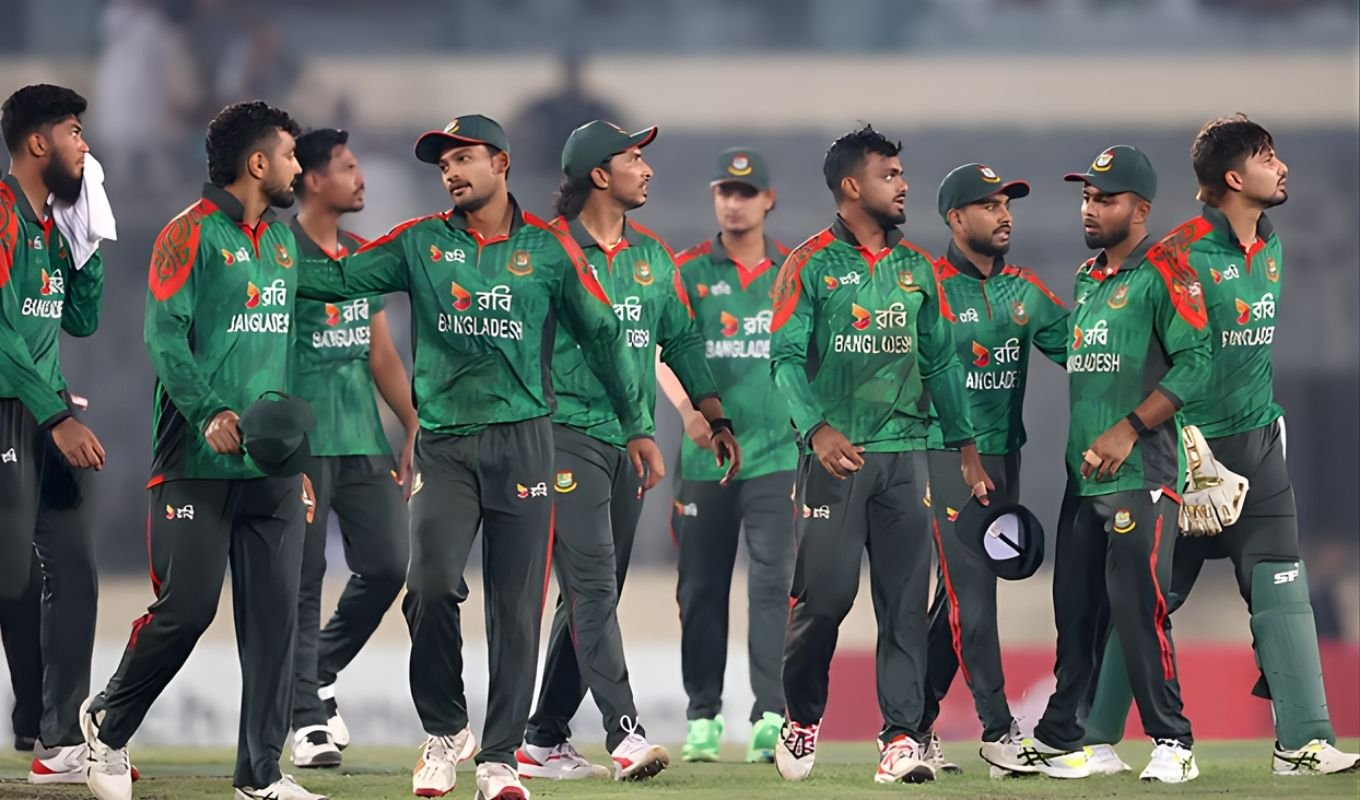
It was supposed to be a rest day, yet several players from both Bangladesh and the West Indies turned up at the Sher-e-Bangla National Stadium in Mirpur yesterday. Although most of the cricketers were busy preparing for the upcoming T20 series in Chattogram, set to begin on October 27, both teams will take the field in Mirpur today for the final ODI of the series, locked at 1–1, with victory being their only goal.
By March 2027, Bangladesh must be among the top nine teams in the rankings to qualify directly for the World Cup. Before this series, Bangladesh—ranked 10th—had planned to push 9th-ranked West Indies down the table. Taking advantage of home conditions, they prepared a spin-friendly black-soil wicket. The strategy paid off in the first ODI as Rishad Hossain’s six-wicket haul led the hosts to a convincing win.
However, the second ODI changed everything. Despite being on the verge of victory, Bangladesh failed to seal the series early. With the West Indies winning through a Super Over, today’s third ODI has turned into a decider. That defeat also ended Bangladesh’s chance to surpass the Caribbean side in the rankings; even a win today will not be enough to overtake them.
Another defeat, however, would deepen the frustration. Losing the series would also mean Bangladesh entering an unwanted record—if they lose to the West Indies, it will be their fifth consecutive ODI series defeat. Since their first-ever series win against Zimbabwe in 2005, such a streak has never occurred.
From the very beginning, criticism and controversy have surrounded the Bangladesh camp. It started with the black-soil wicket and intensified after the second match, where a tie and a poor batting show in the Super Over invited more backlash. From captain Mehidy Hasan Miraz’s decisions to the team management’s strategies—everything is now under scrutiny.
After a 74-run defeat in the first ODI, the West Indies sought a way to bounce back. Bringing in Akeal Hosein—who joined the squad in Dhaka the night before the second match—they created history by becoming the first team in ODI cricket to bowl all 50 overs with spinners. The tactic ultimately proved successful for the visitors.
Questions are now being raised about whether Bangladesh fell into their own trap with the black-soil wicket. Soumya Sarkar’s post-match comments hinted as much: “It was really tough to play shots on this wicket. You all saw how few boundaries there were.”
The pitch’s behavior is unlikely to change much today either. Bangladesh will again rely on spin to restrict the opposition, though the West Indies are well aware of the challenge. When asked about the expected pitch for the third ODI, Akeal Hosein, smiling broadly, countered reporters with his own question: “Do you really think the wicket will change?”
Under such circumstances, using the wicket to their advantage and winning the series might be Bangladesh’s only source of relief. But a loss would only fuel more criticism and bring another painful chapter. Their hopes of climbing the rankings would vanish, and five straight ODI series defeats would add a new layer of misery for Bangladesh.
TSN