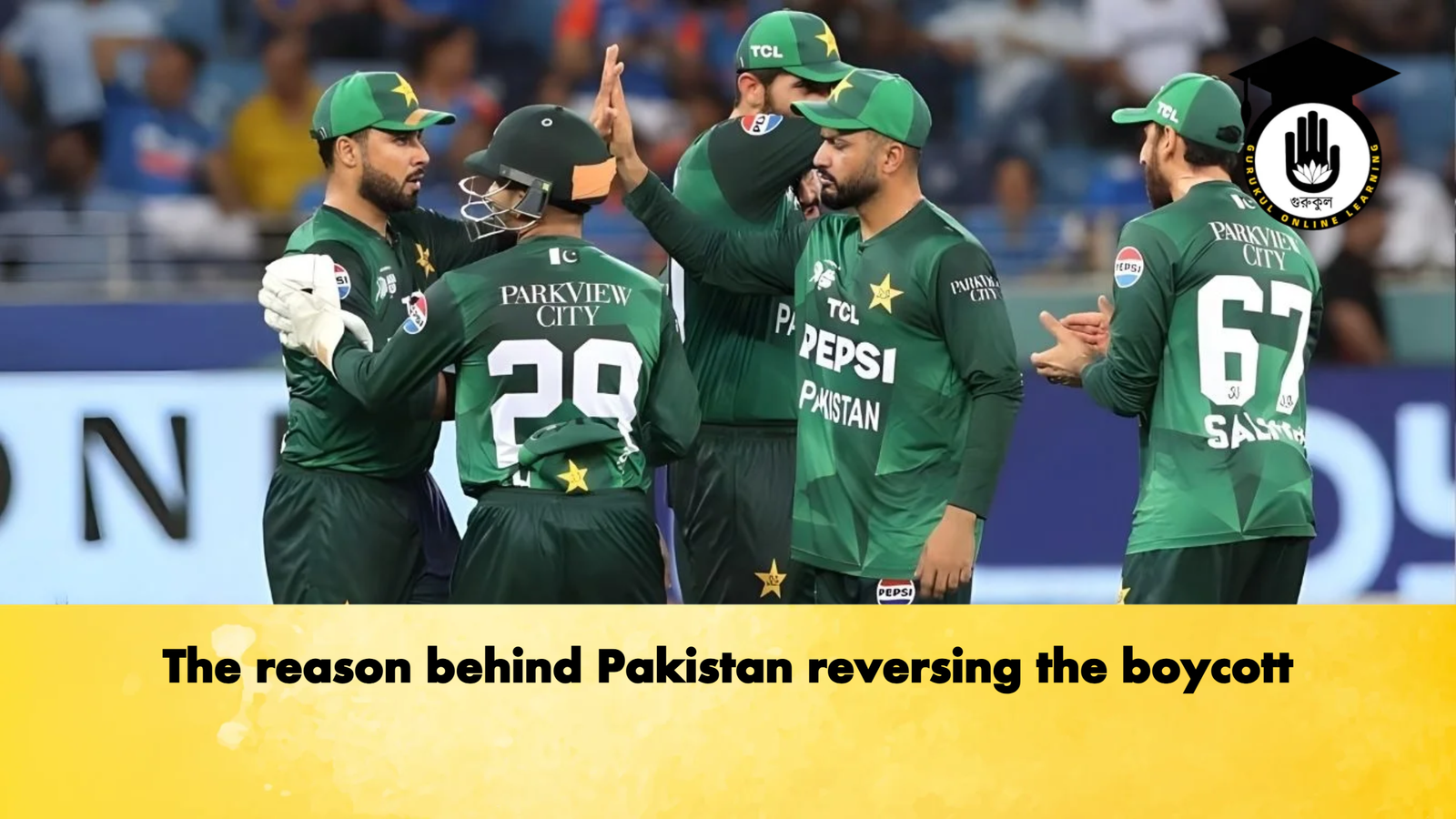
After nearly ten days of uncertainty, Pakistan has finally decided to participate in its scheduled match against India at the 2026 ICC T20 World Cup. The much-anticipated clash is set to take place on 15 February in Colombo, Sri Lanka.
On Monday evening, both the Pakistan government and the International Cricket Council (ICC) issued separate statements regarding the decision. Each emphasised that the choice to play the match was made after careful consideration of the tournament’s commercial implications and the interests of other participating nations.
The official statement from the Pakistan government noted that several countries, including Sri Lanka and the United Arab Emirates, had urged the Pakistan Cricket Board (PCB) not to withdraw from the match. Authorities highlighted that cancelling the fixture could result in financial losses for multiple stakeholders.
Furthermore, Prime Minister Shehbaz Sharif personally spoke with Sri Lankan President Ranil Wickremesinghe, underscoring the diplomatic dimensions of the decision.
The government statement added:
“Following international consultations and requests from friendly nations, the Pakistan government has instructed the national team to take the field on 15 February. This decision upholds the spirit of cricket and ensures the continuity of the sport globally.”
The ICC welcomed the development, describing discussions with the PCB as “constructive” and highlighting a consensus among member nations to maintain cooperative relationships and collectively ensure a successful World Cup.
Bangladesh’s Role in Encouraging Participation
The Pakistan Cricket Board also received a formal request from the Bangladesh Cricket Board (BCB) to compete against India, emphasising the broader interests of international cricket.
In a press release issued on 9 February in Dhaka, the BCB thanked the PCB, the ICC, and all parties involved for their collaborative and positive approach in navigating recent challenges. The statement specifically praised PCB Chairman Mohsin Raza Naqvi, his board, and Pakistani cricket fans for their commitment.
BCB President Aminul Islam Bulbul said:
“We are deeply grateful for Pakistan’s initiative to support Bangladesh during this period. We hope this strengthens the cricketing ties between our two nations.”
Following recent visits and discussions, Bangladesh formally requested that Pakistan participate in the match on 15 February, citing the potential positive impact on the international cricketing ecosystem. Observers consider this intervention a significant step toward strengthening regional cricket relations.
Summary of Key Stakeholder Actions
| Stakeholder | Action/Role | Outcome |
|---|---|---|
| Pakistan Government | Consulted with friendly nations, instructed team to play | Ensured participation in T20 World Cup match |
| ICC | Facilitated discussions with PCB | Achieved consensus among member nations |
| PCB | Responded to requests from multiple countries | Committed team to play on 15 Feb |
| Bangladesh Cricket Board | Formally requested Pakistan’s participation | Supported regional cricket relations |
| Sri Lanka & UAE | Urged PCB not to withdraw | Influenced Pakistan’s final decision |
This resolution ends a tense period in international cricket and demonstrates the role of diplomacy, regional collaboration, and commercial considerations in ensuring the smooth conduct of the World Cup.