By ABM Zakirul Haque Titon
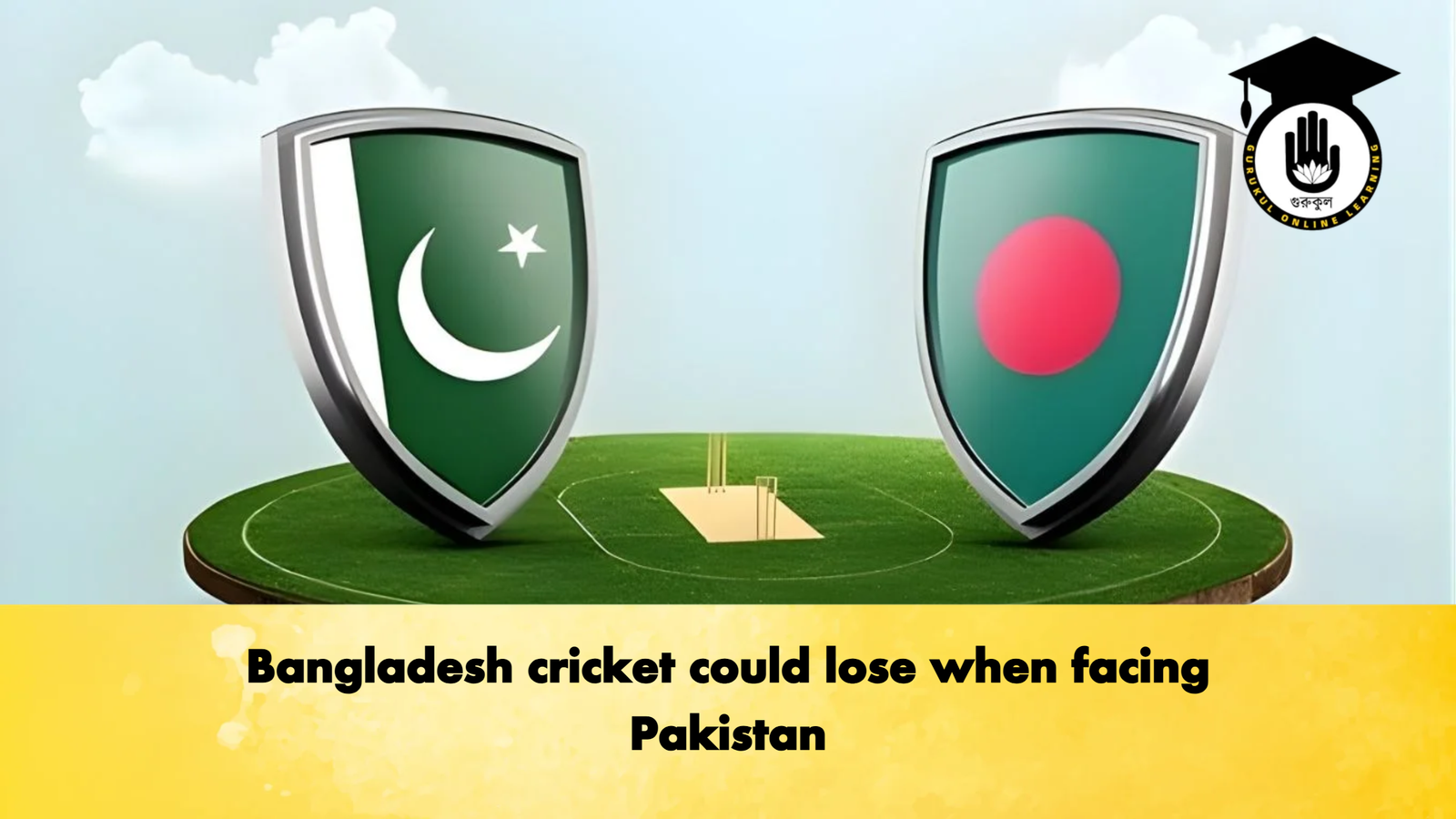
Bangladesh cricket is currently navigating a profound crisis, with its administration and decision-making processes under the Yunus government leaving the sport rudderless. A troubling tendency has emerged: cricket is being leveraged as a tool for political signalling and as a pawn in diplomatic manoeuvrings with Pakistan and India, rather than being nurtured as a national sporting asset. This approach, which disregards the country’s own capabilities, history, and unique circumstances, is not only irresponsible—it constitutes a betrayal of Bangladesh cricket’s long-term interests.
While slogans about competition with India may sound appealing, their reality demands a long-term roadmap, a robust domestic structure, modern training facilities, science-based development programmes, and leadership guided by genuine national interest. Under the Yunus administration, however, none of these essentials have been effectively implemented.
The consequences are all too visible:
Absence of planning
Administrative chaos
Misuse of authority
Arbitrary decision-making
Repeated humiliations on the field
History demonstrates that Bangladesh cricket does not advance through rhetoric or political theatre. Its progress has always been built on hard work, patience, continuity in domestic cricket, and the efficient use of limited resources. Decisions influenced by Pakistan, however, have fragmented this pathway and obstructed the natural growth of the sport.
The table below outlines some of the most pressing challenges facing Bangladesh cricket today:
| Issue | Current Status | Impact |
|---|---|---|
| Domestic Cricket | Unplanned and lifeless | Hinders the development of emerging players |
| Administrative Structure | Inefficient and irregular | Lack of accountability |
| Players’ Future | Uncertain | Adversely affects international performance |
| Fans and Supporters | Disillusioned and disengaged | Decline in national support |
| Advisory Roles | Silent and ineffective | No meaningful reforms implemented |
Cricket is not merely a display of power; it embodies the nation’s emotions, dreams, and aspirations. Yet today, that symbol is being deliberately undermined—sometimes through administrative incompetence, sometimes through nepotism, and often through networks of intermediaries.
Although advisor Asif Nazrul has spoken of ethical responsibility, his failure to initiate reforms or intervene decisively raises serious questions about his role. Responsibility does not end with speeches or statements; it requires action, the courage to make tough decisions, or, if necessary, stepping aside.
It is clear: to rescue Bangladesh cricket, the resignation of Asif Nazrul is no longer merely a political demand. It is an urgent, moral, and historical imperative.