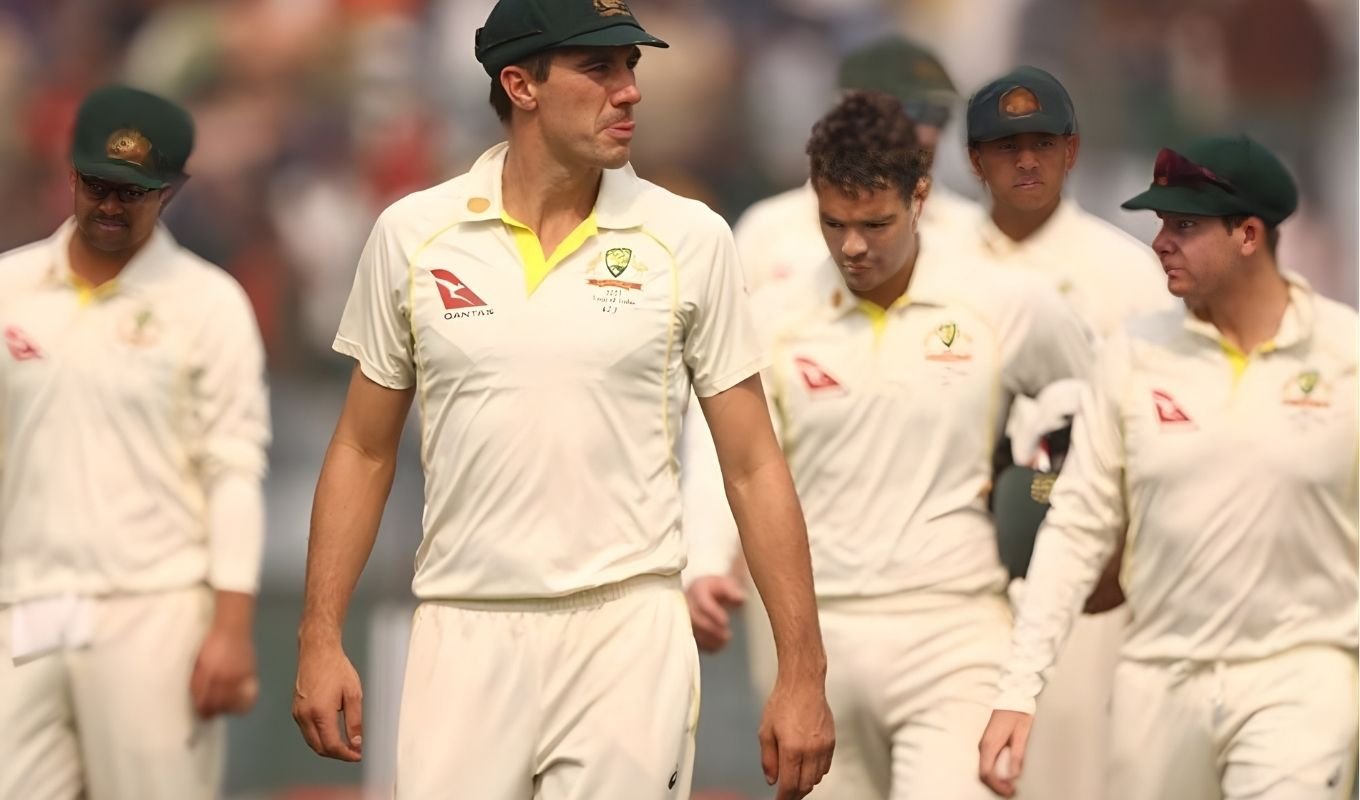
As the Ashes tension deepens, the focus now turns towards one of Australia’s most respected names — Usman Khawaja. For years, he has been a symbol of calm elegance at the crease, a left-hander admired for his poise under pressure. Yet now, just days before the Adelaide Test, his role — even his future — looks uncertain.
Khawaja missed the second Test in Brisbane due to injury, but reports suggest he will be ready for selection again. Normally, that would be reassuring news for Australia. But this time, the circumstances are different — drastically so. In his absence, Travis Head and Jake Weatherald stepped up, forming a new opening partnership that has unexpectedly flourished. Two Tests, two major contributions, and two match-defining platforms against England: suddenly, they are the in-form pairing Australia had been searching for endlessly.
This is not just about replacing a veteran — it’s about replacing a legend who is days away from turning 39. When he walks into the Adelaide Oval — if selected — Khawaja will become the first Australian in four decades to play a Test at that age. The last such case was almost forgotten by history, and the rarity of the moment highlights how long Khawaja has managed to defy time.
But the selectors’ dilemma is real. Form, fitness, and team balance are now sharper considerations than emotional loyalty. Andrew McDonald, the head coach, suggested that even if Khawaja returns, he may need to move into the middle order — a move that he has not experienced recently in Test cricket. He praised Head and Weatherald for grabbing their opportunities with confidence. “They’ve proven they belong here,” McDonald noted. “They’ve set the tone and given us outstanding momentum. We must think about what helps the team most.”
The timing is especially awkward for Khawaja, who not long ago looked like the steady cornerstone of Australia’s batting after Warner’s retirement. When Warner departed, Australia’s opening partnerships fell apart — just three stands of fifty or more across fourteen Tests. The iconic slot seemed empty and shaky. Yet suddenly, Head and Weatherald have dropped anchor, silencing the critics and complicating the selectors’ plans.
Beyond the numbers, there is the human story. Khawaja has fought through setbacks across his career — dropped multiple times, misjudged by earlier selectors, but always returning through sheer weight of runs. His late-career renaissance was one of cricket’s best feel-good narratives. Now he finds himself needing to do it all over again.
The narrative can go either way. If he returns and produces a statement innings, his legacy expands further — perhaps even the ultimate chapter of a fighter who never quit. But if he struggles, questions about Australia’s transition strategy will grow louder. Does experience outweigh momentum? Does sentiment deserve room in a ruthless Ashes showdown?
The Adelaide Test will not merely decide the Ashes — it could define the next phase of Australian cricket’s identity. And for Khawaja, it could determine whether he remains a central figure or begins the slow march toward the exit door.