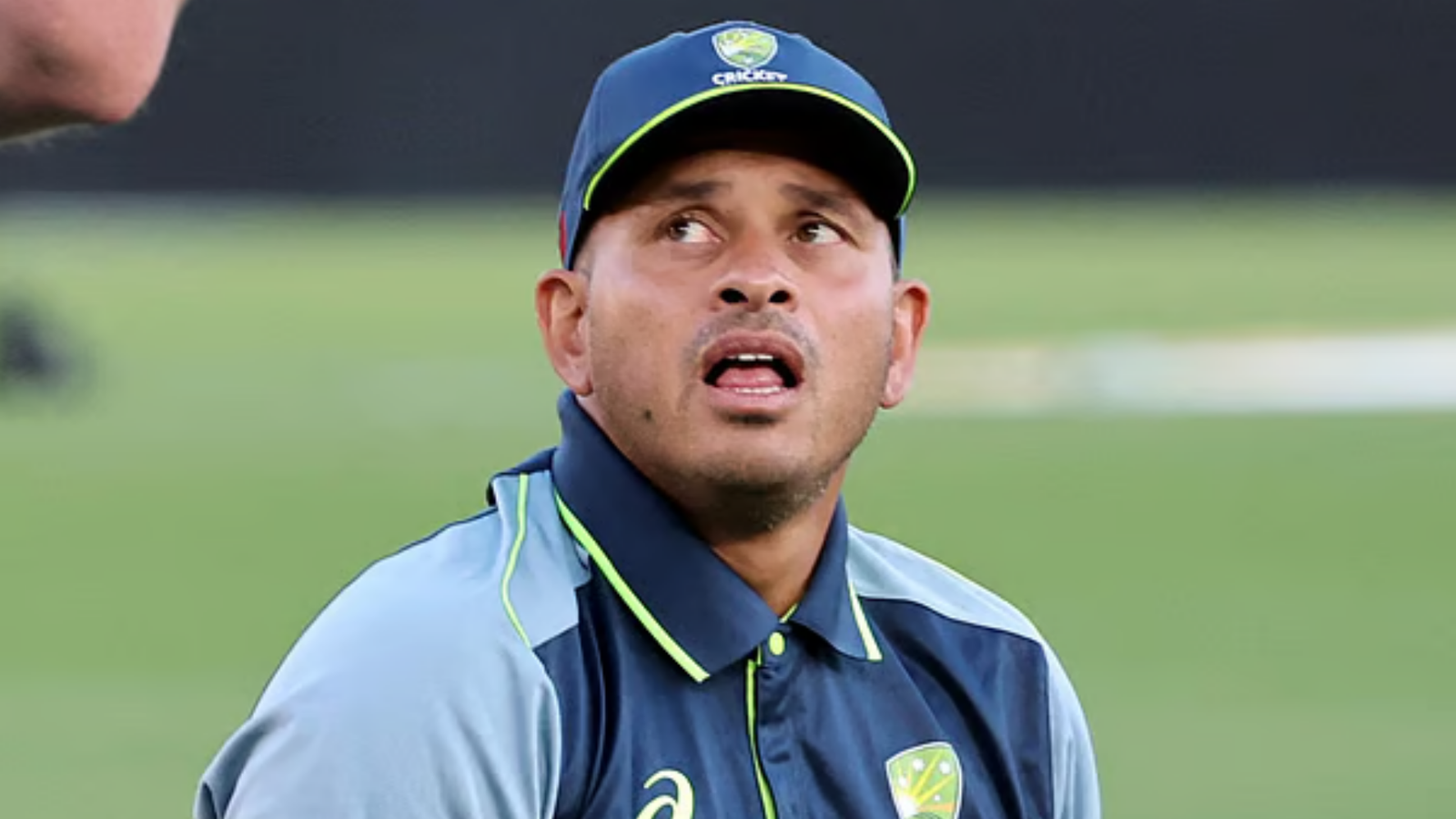
Usman Khawaja’s exclusion from the second Ashes Test due to back injury has added a new dimension to Australia’s strategic planning. At nearly 39 years old and with a decline in recent batting output, his place in the side is under more scrutiny than ever. The central question now is not just about his fitness but about Australia’s long-term direction.
The issue began during the first Test in Perth. Khawaja’s back issues surfaced early on Day 1, restricting his ability to field. Missing substantial time off the ground meant he could not open the batting under ICC rules. When he eventually walked in at No. 4, he lasted just a few deliveries before being dismissed for two runs.
Fielding on Day 2 worsened his situation. While he completed one catch, he missed another difficult chance and further aggravated his injury when diving for a ball. These events collectively forced Australia’s medical staff to reassess his match readiness.
This paved the way for Travis Head’s unexpected elevation to opener. Head’s performance—123 off 83 balls—was not merely impactful but also statistically significant. His strike rate above 145 is the highest for any Australian opener scoring a century in Test cricket. This single innings has intensified the debate: Should Head be permanently moved to the top of the order?
Meanwhile, Khawaja’s numbers since the 2023 Ashes paint a worrying picture.
Average: 31.84
Innings played: 45
Centuries: 1
Strike rate significantly reduced compared to earlier phases of his career.
His age profile further complicates decisions. Historically, most Australian Test openers past the age of 38 have struggled to maintain consistent output, with only a handful managing long-term success.
Ahead of the Gabba Test, Khawaja attempted to demonstrate readiness by batting in the nets for roughly 30 minutes. However, the coaching staff judged his mobility insufficient for the demands of a pink-ball Test. He was therefore omitted from the XI, though Australia chose not to name a replacement—opting instead to continue his rehabilitation within the squad environment.
From a tactical standpoint, if Head permanently shifts to opening, Australia will need a No. 5 batter. Options include Beau Webster and Josh Inglis, both of whom have shown strong domestic form. This creates further competition, making Khawaja’s potential return even more challenging.
Given the rising competition and the statistical downturn in his performance, analysts argue that Khawaja’s Test future hinges on two factors:
Complete recovery from his back injury, and
Delivering match-defining performances immediately upon return.
Without both, Australia may consider transitioning to younger, long-term options. Khawaja’s omission from the Gabba Test is therefore not just a fitness setback—it may be a pivotal moment in the restructuring of Australia’s top order.